In urban environments near rail and subway lines, ground-borne vibration and noise can disrupt occupant comfort and sensitive operations. We deliver customized building isolation solutions for both new and existing structures affected by transit systems. Through detailed vibration assessments, predictive modeling, and performance-based design, we implement effective strategies—including base isolation and floating slab systems—to control structure-borne vibration at its source, ensuring comfort, compliance, and long-term building performance.
A residential building complex was proposed adjacent to an active commuter rail line. We were engaged to assess the potential ground-borne noise and vibration impacts of passing trains on the proposed development and, if necessary, develop vibration-isolation options during the design phase, between Schematic Design and Design Development.
Ground-borne vibration and noise criteria were established based on the recommendations of the Federal Transit Administration (FTA) guidelines, as well as the recommendations of the project’s acoustical consultant.
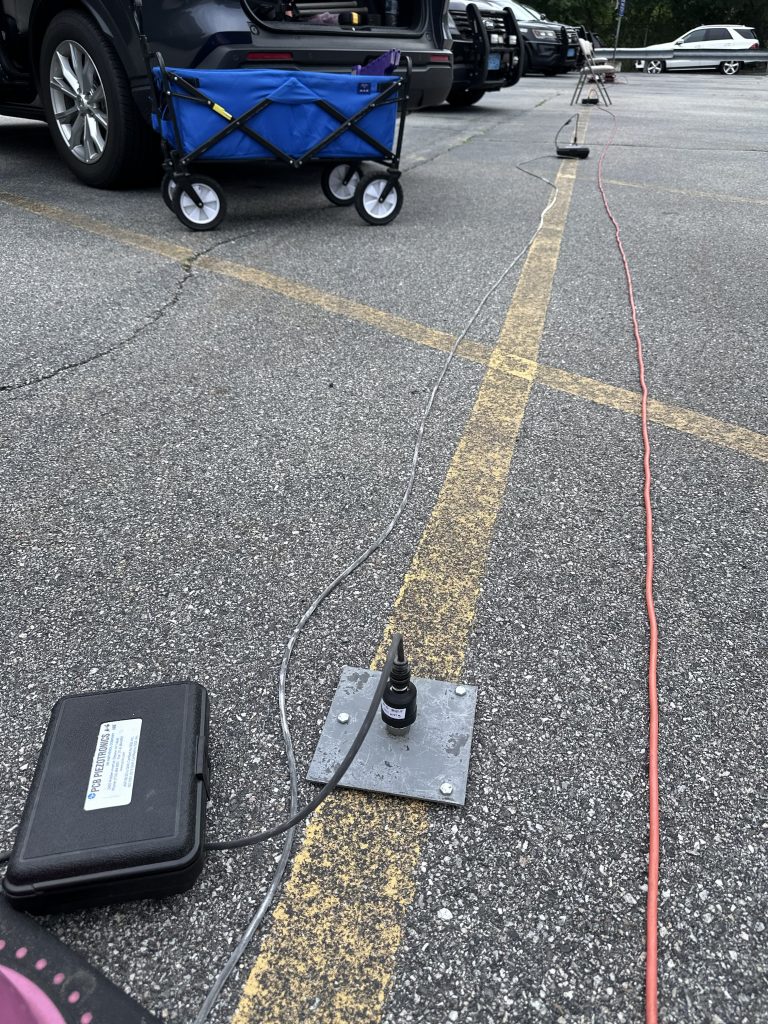
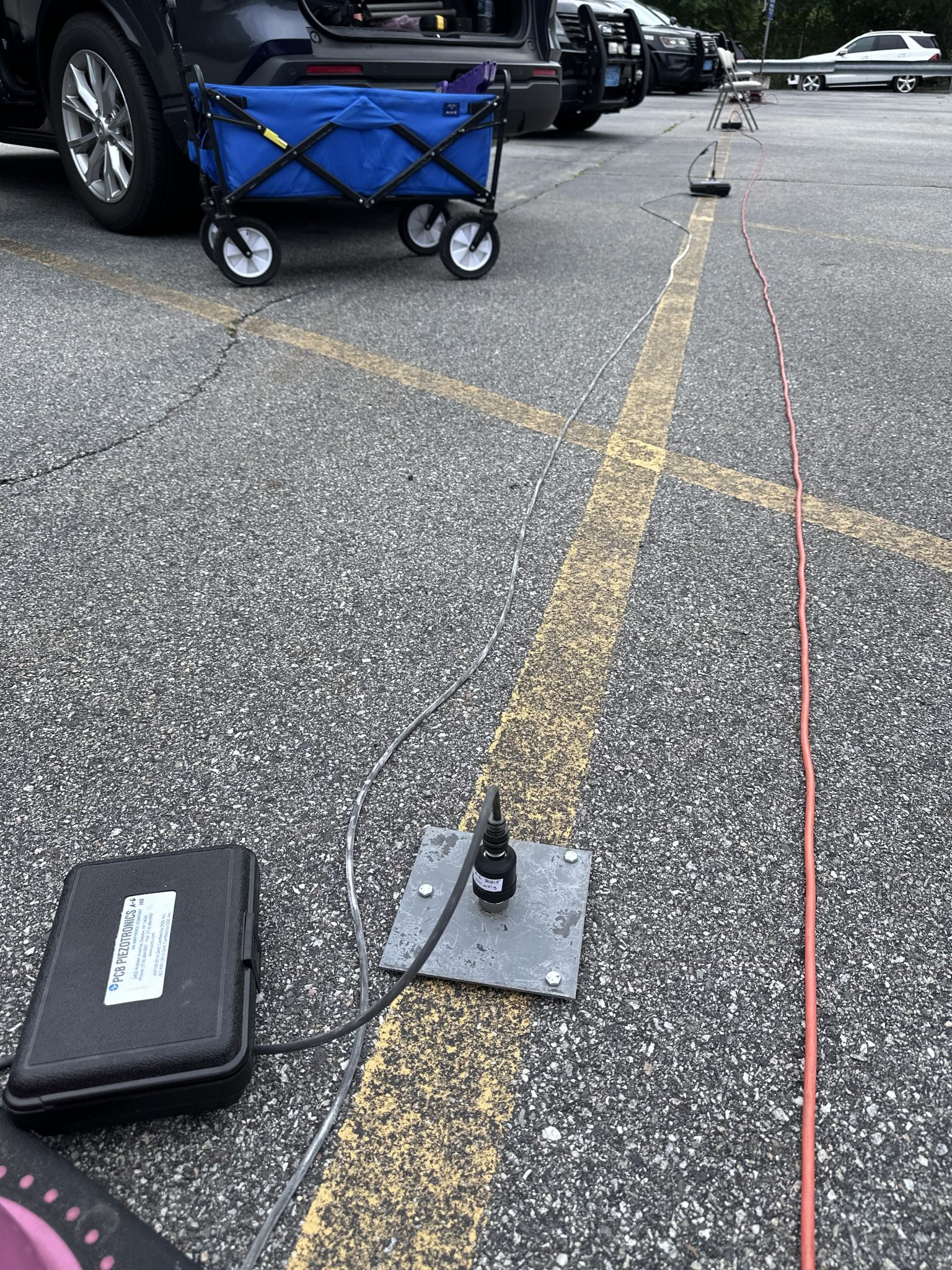
We collected vibration measurements at multiple locations across the proposed building site during several train passings in both directions along the rail line. The measured data were processed and used to estimate ground-borne vibration and noise transmission into the various floors of the future building in accordance with the FTA guidelines.
The analysis results, along with cost-effective mitigation recommendations, were presented to the design team for incorporation into the design documents. The timing of the field testing and subsequent analysis allowed the recommendations to be incorporated during the design phase without delaying the construction schedule, while providing the project team with practical and cost-effective mitigation strategies.
Mitigating Subway Vibrations
Transforming a downtown office building into modern residential units presented a unique challenge: the building sat directly beside a busy subway line, where train-induced vibration and ground-borne noise could impact the comfort of future residents. Our team was brought in to optimize building isolation solutions that would deliver the acoustic and vibration comfort expected in high-quality residential spaces.
Vibration and structure-borne noise criteria were selected based on the recommendations of Federal Transit Administration (FTA) guidelines.
We began by developing a detailed vibration model of the building based on existing structural drawings. The model was then calibrated based on the field measurements. Enhanced vibration transmission analysis was conducted by exciting the model with the vibration data collected on the building foundation as trains pass by within the subway tunnel.
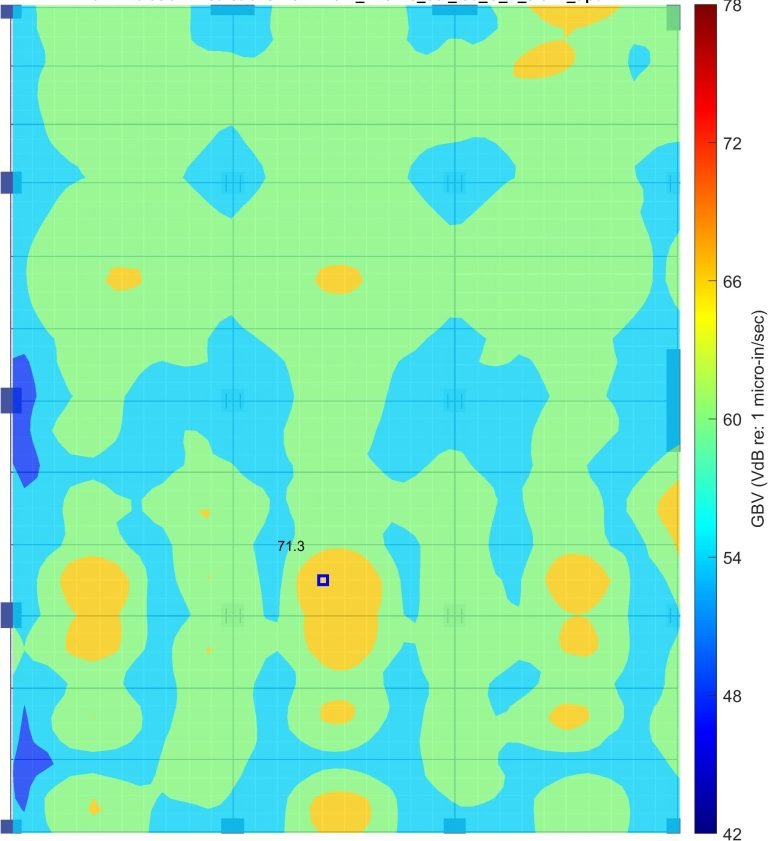
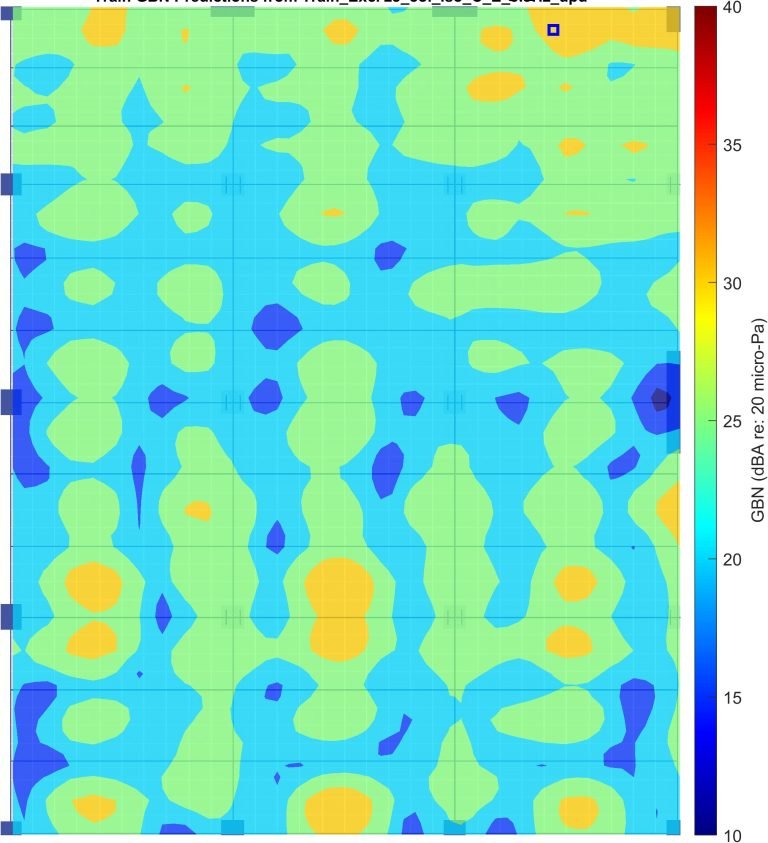
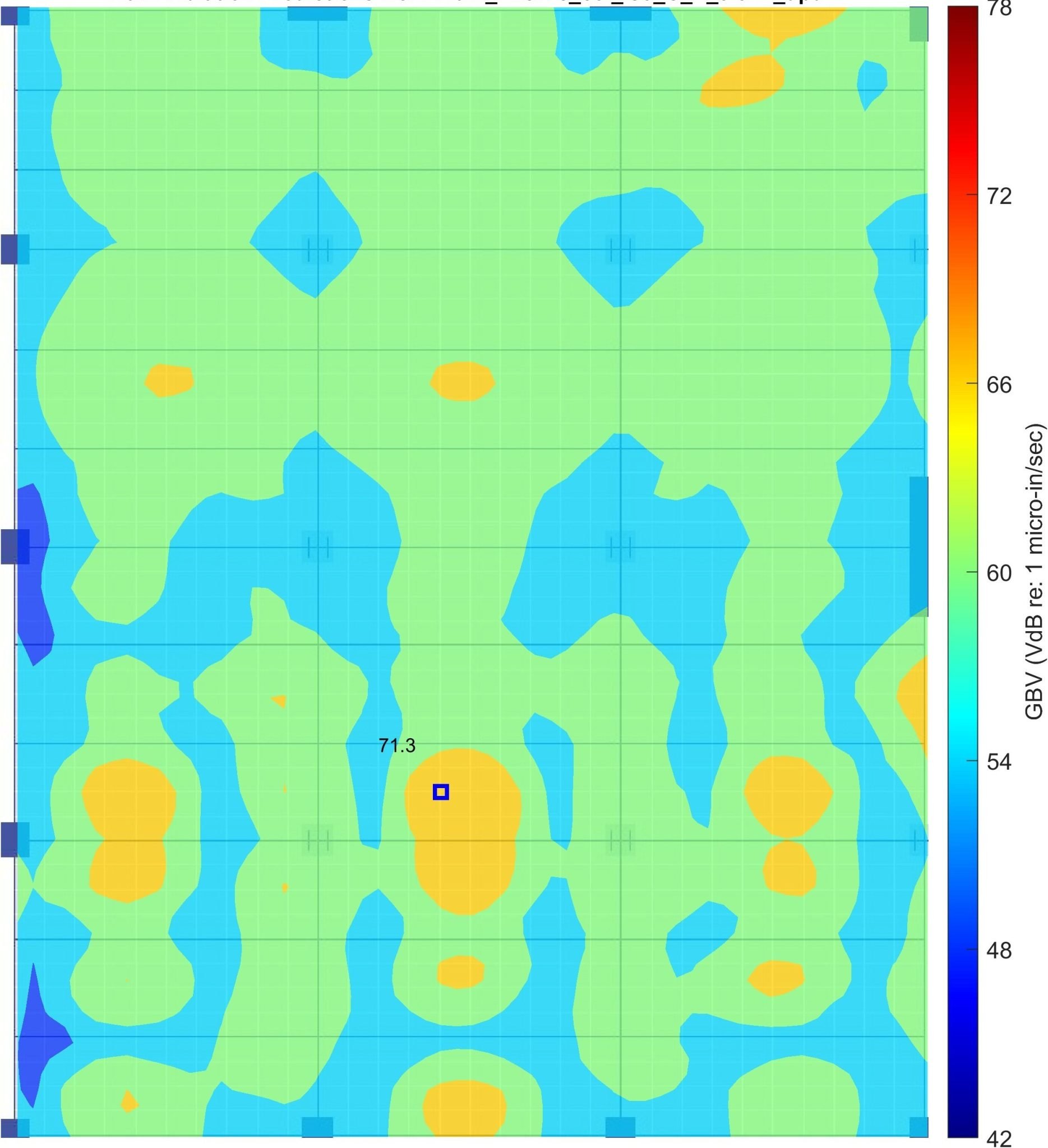
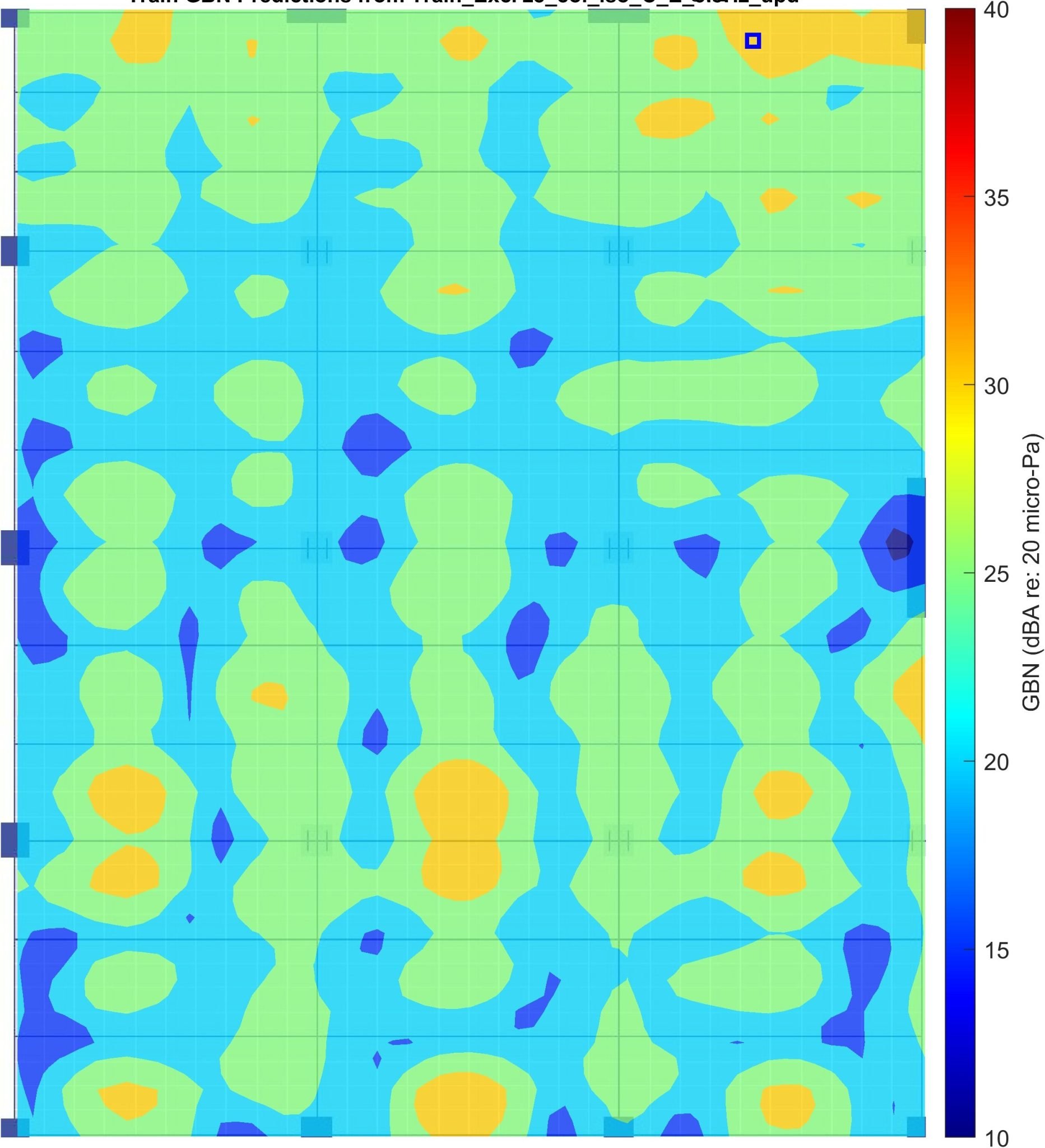
To verify the accuracy of the model, noise, and vibration predictions on different floors of the building were compared to the field data recorded on the same floors, enabling precise evaluation of various isolation strategies. Ground borne vibration and noise levels on each floor were calculated and presented as heatmaps across the entire floor for a range of building isolation solutions, facilitating the performance and cost of each solution tested.
After assessing multiple design options, we identified an optimized base isolation system that significantly reduced ground-borne noise and vibration while maintaining structural integrity and cost efficiency.
Building Vibrations before and after Isolation
For inquiries about Vibration Consulting, please use this email form to contact Dr. Omer Tigli.