Unwanted structural vibrations can also be mitigated through non-structural solutions, such as introducing supplemental damping to the system. This is typically achieved through the use of dampers, which fall into two main categories: passive mass dampers and active mass dampers.
The McNamara • Salvia Vibrations Group has successfully applied these technologies across a wide range of vibration challenges. Our team has developed advanced analytical tools to model and evaluate both tuned mass dampers (TMDs) and active mass dampers (AMDs), enabling us to deliver optimized, project-specific solutions.
Each approach offers distinct advantages. Tuned mass dampers are robust, time-tested systems with a strong track record of long-term, maintenance-free performance. However, they are generally heavier, may require structural reinforcement, and are typically designed to target a single vibration mode. Their effectiveness can also diminish if structural frequencies shift significantly.
Active mass dampers, on the other hand, are lighter and often do not require structural modifications. They are capable of controlling multiple vibration modes simultaneously and can adapt in real time to changes in the vibration environment. As active systems, they require power and periodic maintenance, similar to other electronic equipment.
By leveraging both technologies, we tailor the most effective and efficient solution to each project’s unique vibration demands.
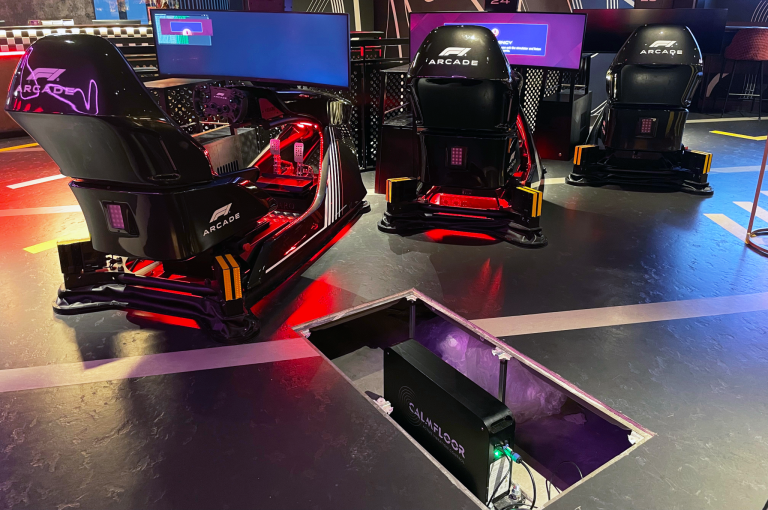
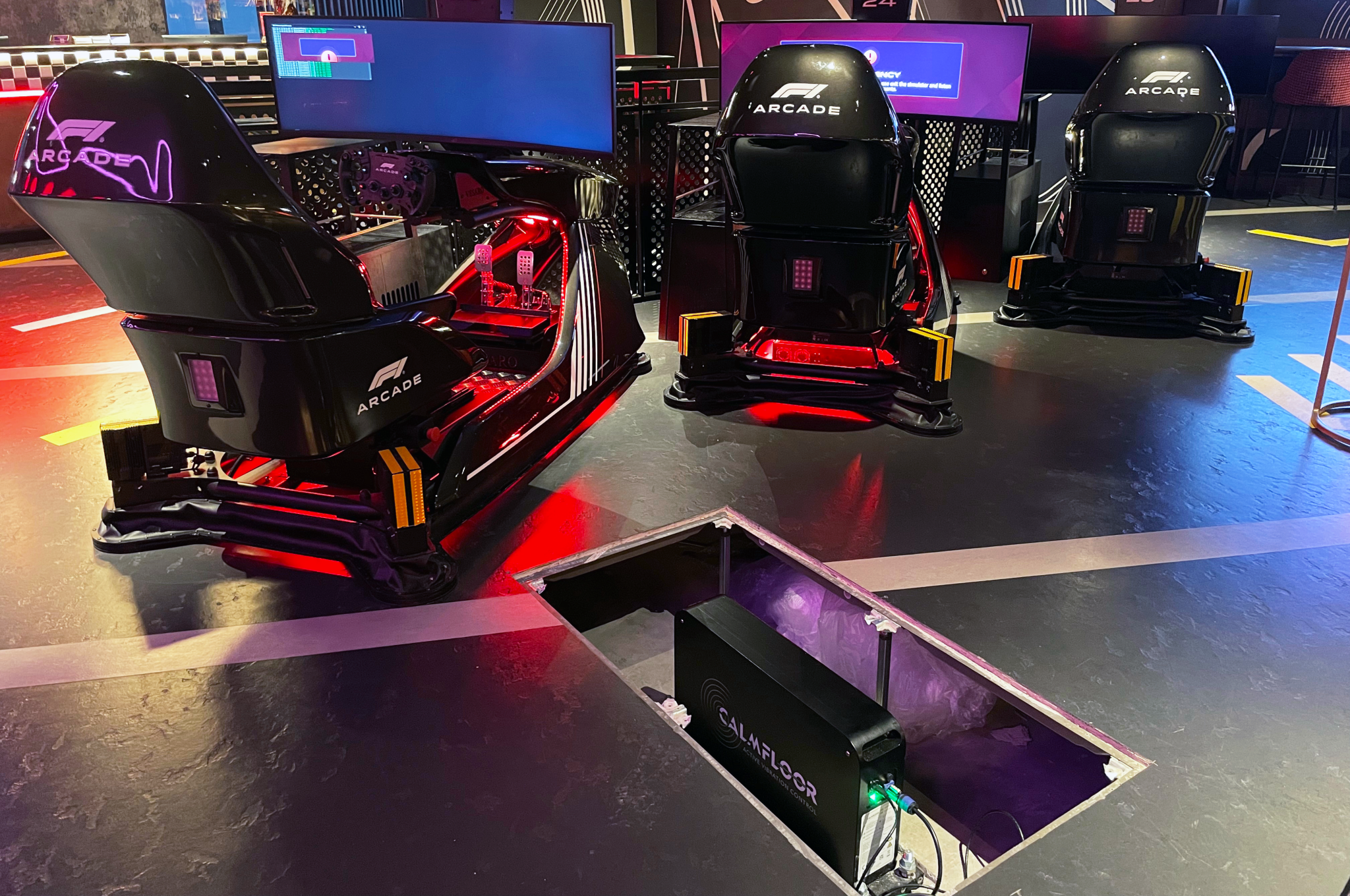
In our McSal-designed base building at 121 Seaport Boulevard, a luxury retail store beneath the F1® Arcade Boston faced disruptions from vibrations caused by the simulators, impacting customer experience. The retailer’s concerns, coupled with landlord restrictions on the arcade, created a need for a solution that would allow both businesses to coexist without interference.
Vibration performance criteria are defined to maintain a high standard of occupant comfort for customers and employees in the luxury retail space.
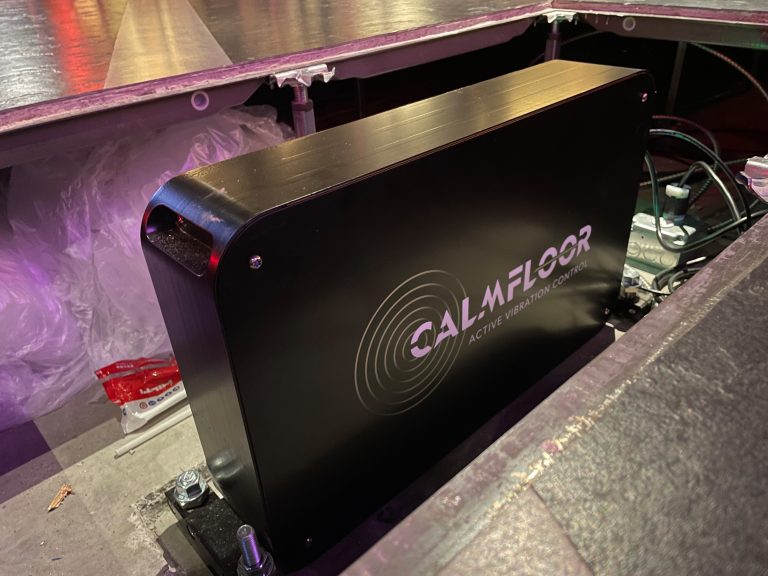
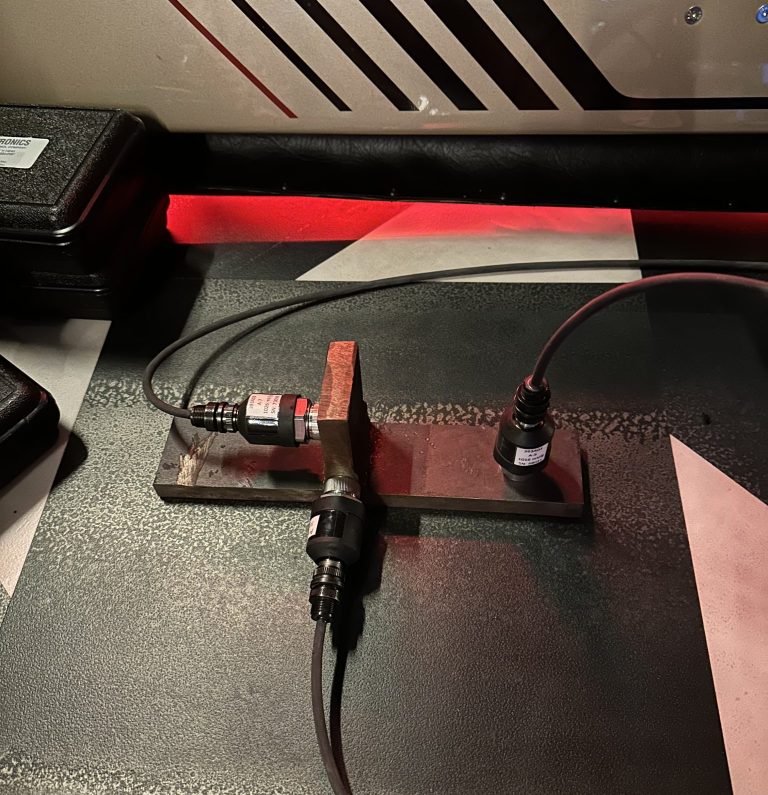
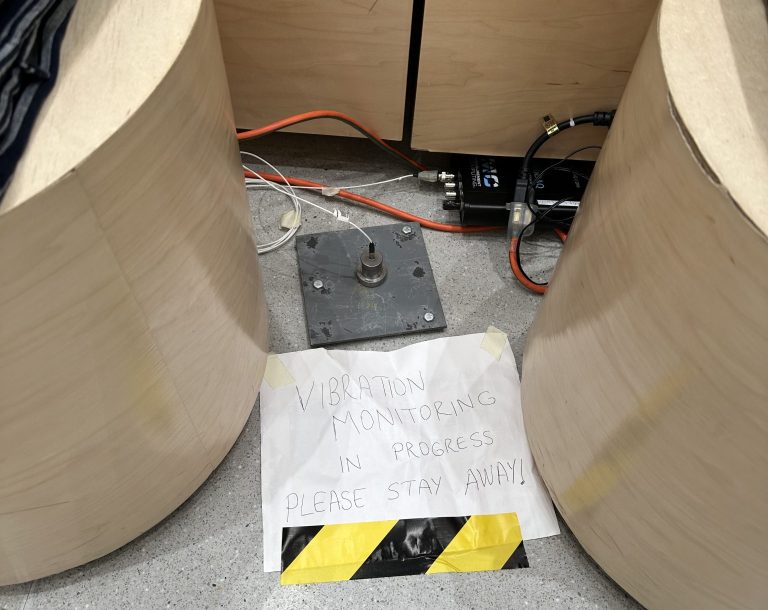
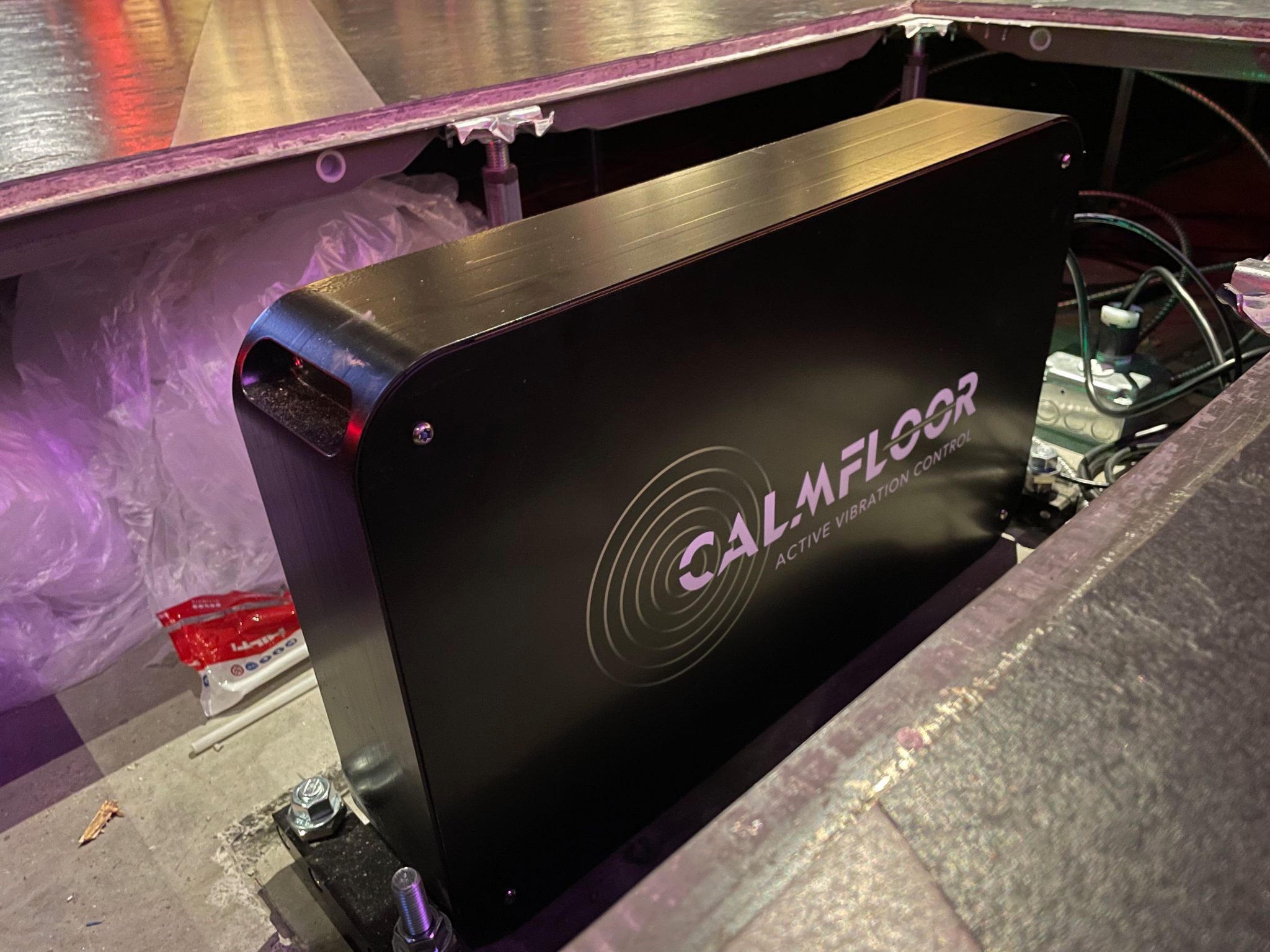
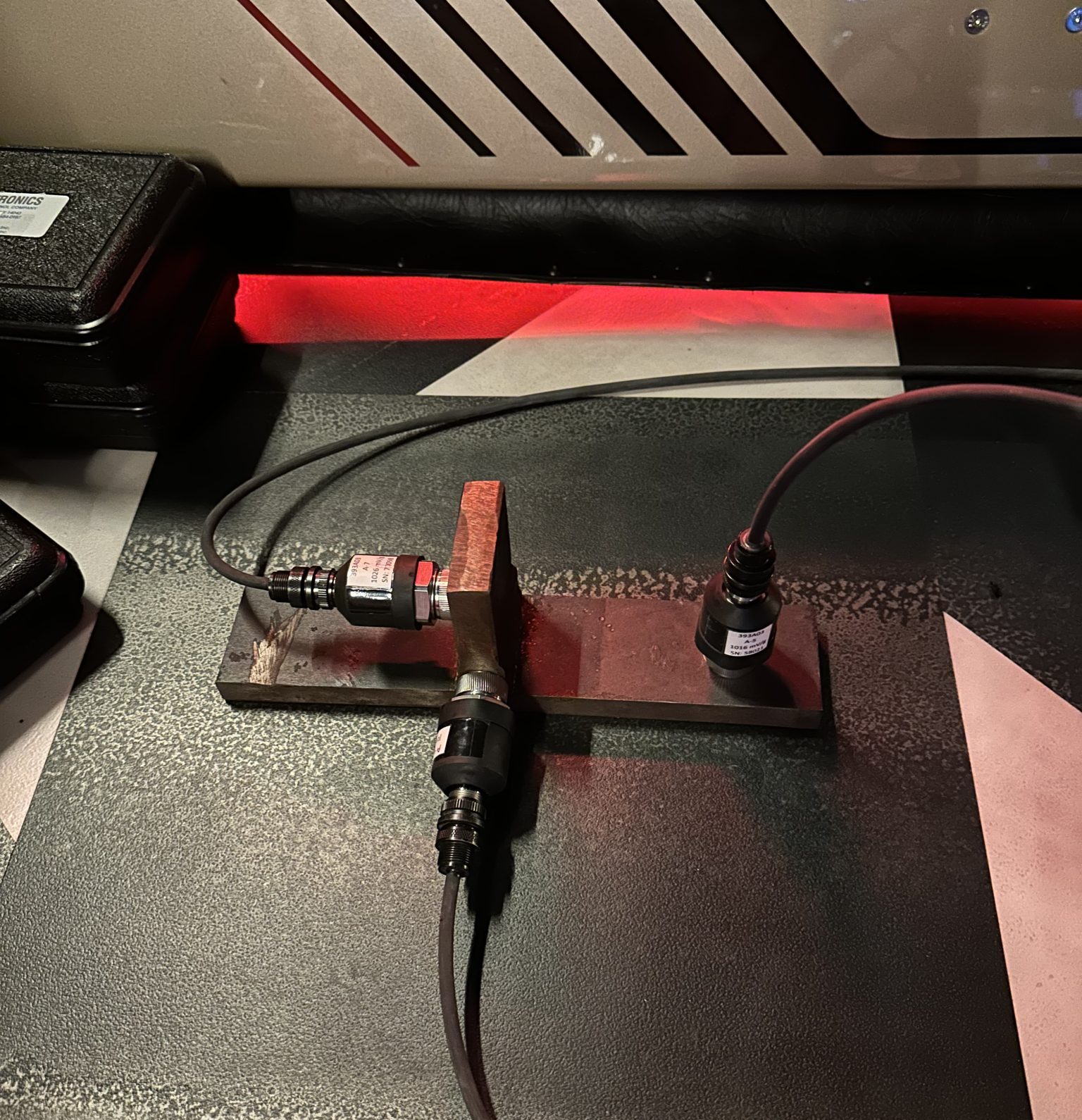
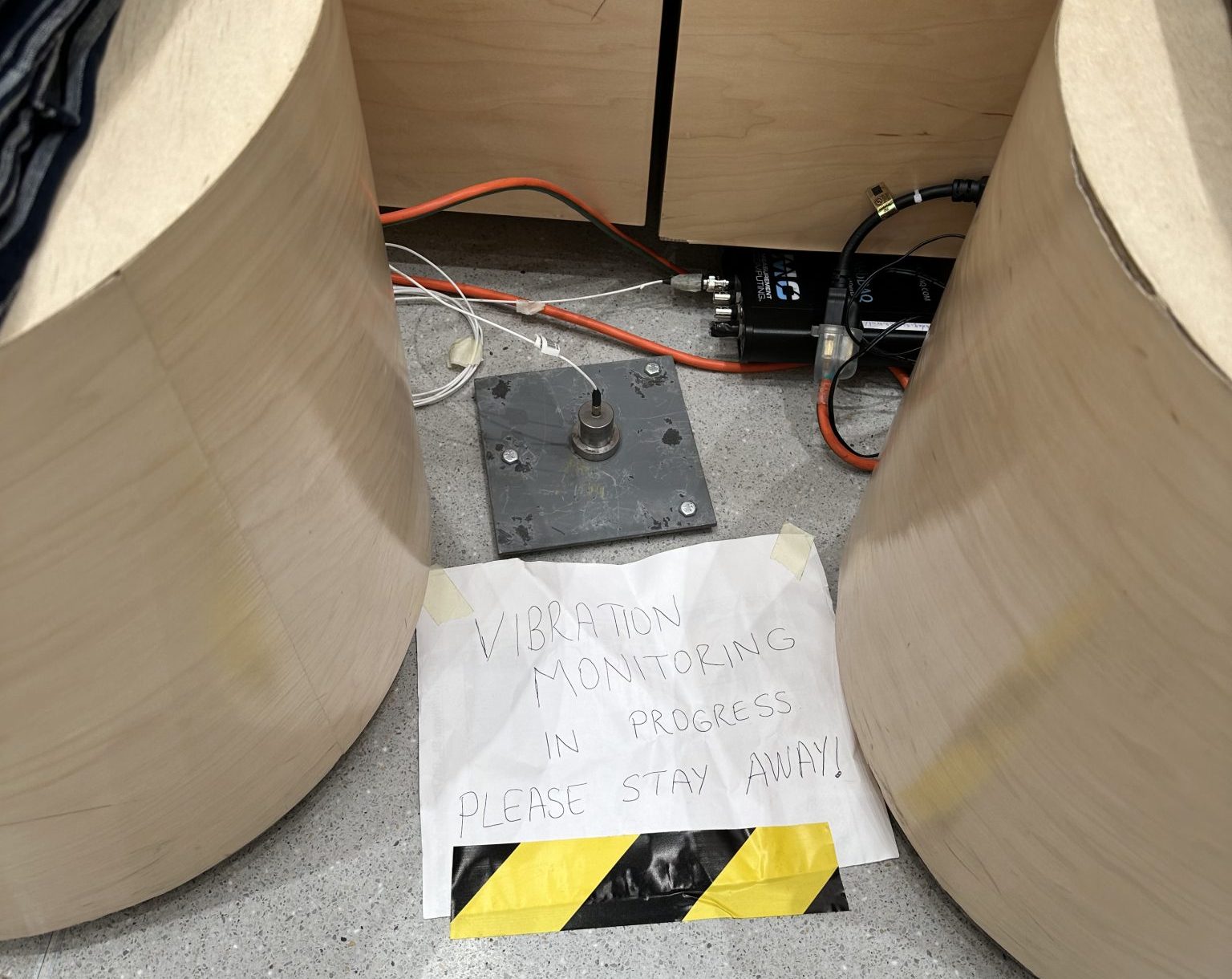
We installed vibration sensors in both spaces to measure and analyze vibration frequencies and amplitudes. Field data revealed that low-frequency structural vibrations transmitted from the simulators above were the primary issue. We recommended the installation of Active Mass Dampers (CALMFLOOR) to counteract structural vibrations.
Active Mass Dampers were installed at critical locations on the F1® Arcade Boston floor based on collaborations between McSal and CALMFLOOR teams. Vibration monitoring after the implementation of the dampers revealed that problematic vibration amplitudes were reduced by 76%. The retail store reported improved customer satisfaction with no further complaints. By implementing Active Mass Dampers, we successfully addressed vibration issues, delivering a win for all parties involved. This case demonstrates the power of tailored engineering solutions to resolve complex building challenges.
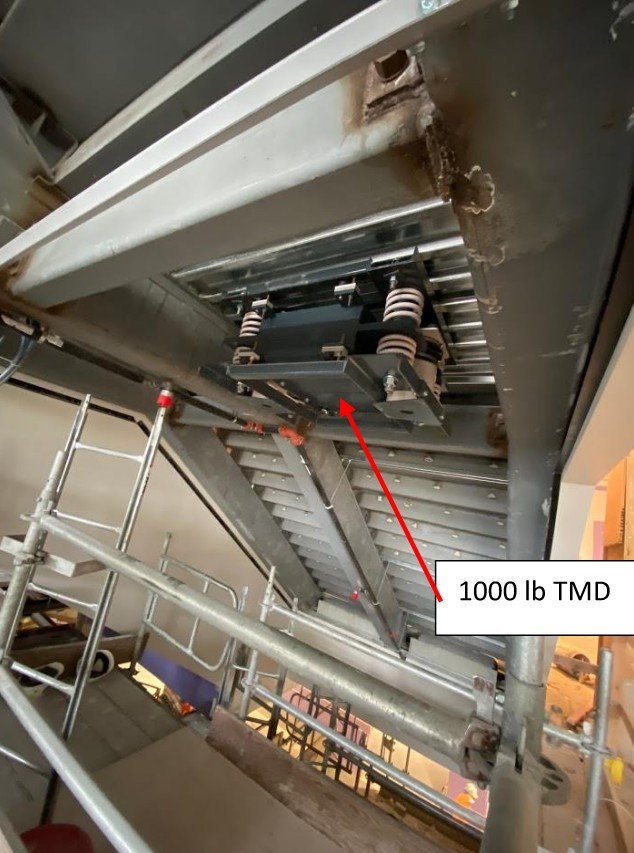
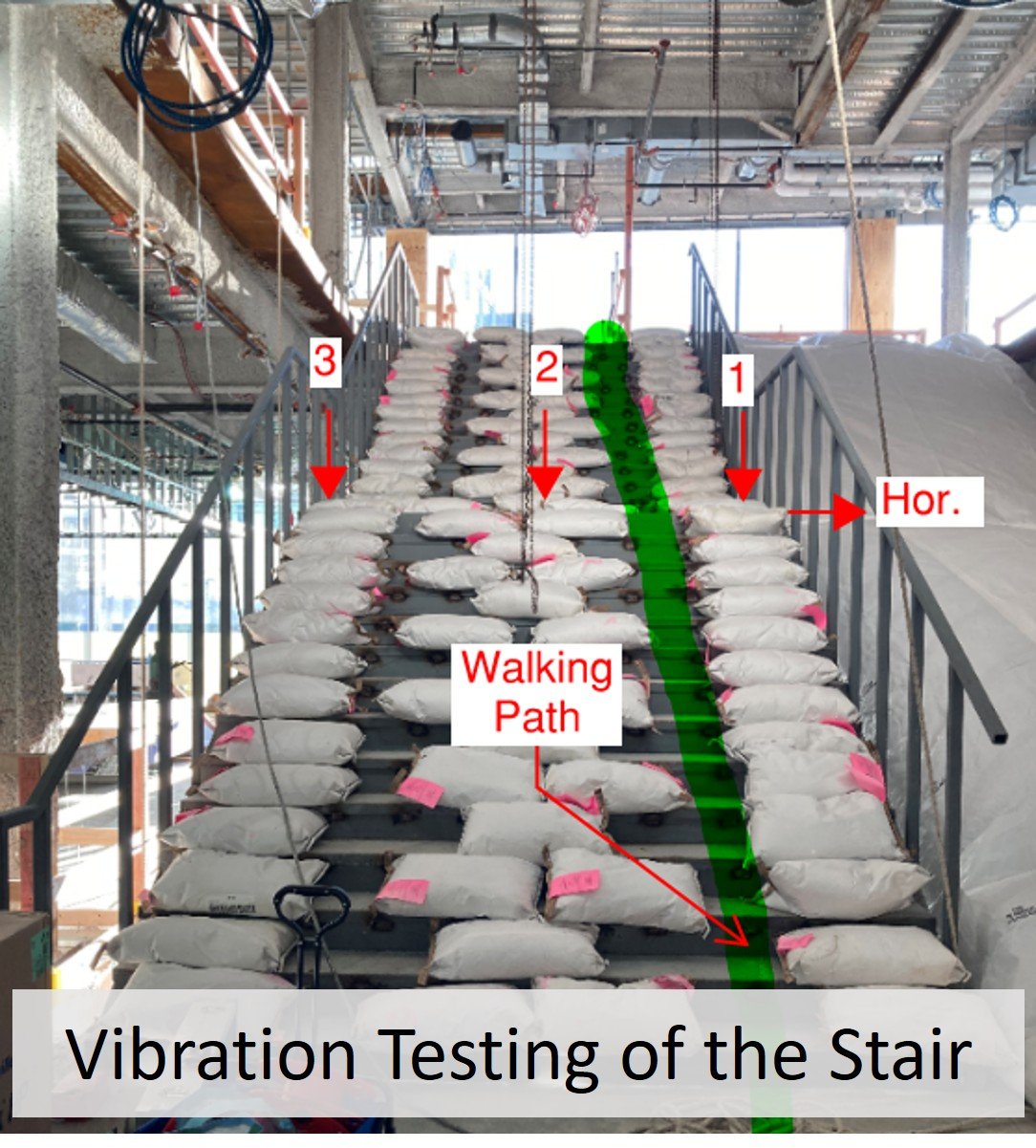
A monumental stair spanning between two floors was designed without intermediate vertical supports. The stair was supported by cantilevered structures at both ends, resulting in relatively flexible boundary conditions. This configuration led to a “lively” structure prone to vibration from pedestrian activity.
The base design vibration criterion was established in accordance with recommendations from the American Institute of Steel Construction Design Guide 11 to ensure occupant comfort.
A detailed finite element model of the stair and its supporting floor structures was developed to perform advanced vibration analysis and guide the structural design. The analysis indicated that increasing stiffness alone would not significantly reduce vibration levels due to the flexibility of the supports. Instead, the design incorporated a tuned mass damper (TMD) as a supplemental damping solution to achieve the required performance.
Pre-installation testing confirmed that vibration levels exceeded the target criteria, consistent with analytical predictions. Following fabrication and installation of the TMD beneath the stair landing, post-installation testing demonstrated that vibration levels were successfully reduced to meet the established comfort criteria.
For inquiries about Vibration Consulting, please use this email form to contact Dr. Omer Tigli.